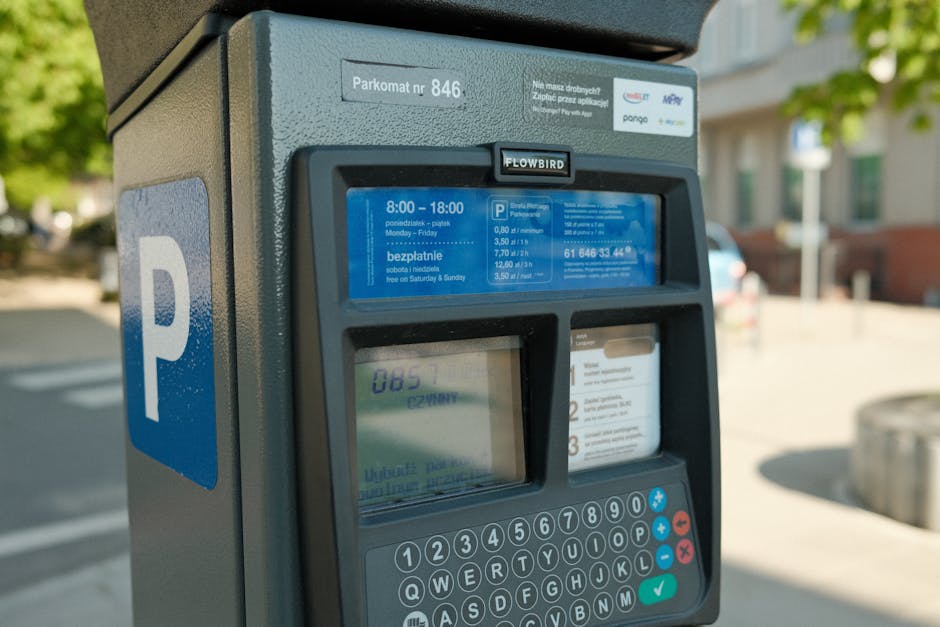
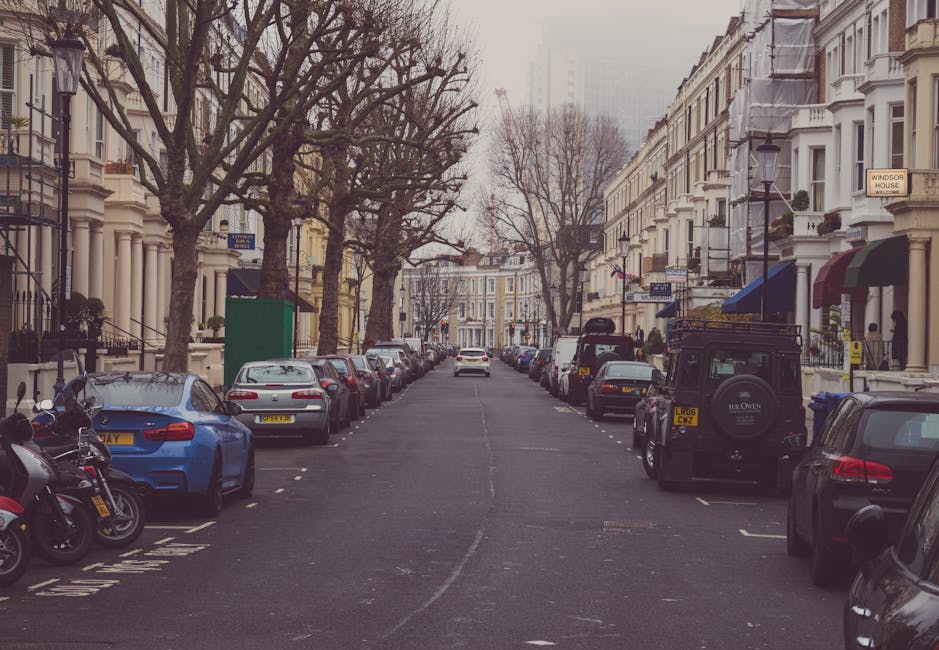
Hammersmith removals what to know about parking permits
If you are planning a move in Hammersmith, parking can become the quiet problem that causes the loudest stress. A van arrives, boxes are ready, the front door is open, and then suddenly there is nowhere legal to stop. That is exactly why Hammersmith removals what to know about parking permits matters so much. The right permit, bay suspension, or loading arrangement can save time, protect the moving crew, and keep the day moving without that awful mid-move scramble. Truth be told, parking is often the difference between a smooth relocation and a long, frustrating one.
This guide explains what parking permits are, how they usually work in a move, when you need one, and how to plan ahead for a house move, flat move, office relocation, or a quick man and van job. You will also find practical steps, common mistakes, and a simple checklist you can use before moving day. If you are comparing services, it can also help to look at removal services in Hammersmith alongside your parking plan, because the two go hand in hand more often than people expect.
Table of Contents
- Why Hammersmith removals what to know about parking permits Matters
- How Hammersmith removals what to know about parking permits Works
- Key Benefits and Practical Advantages
- Who This Is For and When It Makes Sense
- Step-by-Step Guidance
- Expert Tips for Better Results
- Common Mistakes to Avoid
- Tools, Resources and Recommendations
- Law, Compliance, Standards, or Best Practice
- Options, Methods, or Comparison Table
- Case Study or Real-World Example
- Practical Checklist
- Conclusion
- Frequently Asked Questions
Why Hammersmith removals what to know about parking permits Matters
Hammersmith is lively, built-up, and often busy at street level. That is part of its charm, but it also means kerbside access can be tight, especially on narrower residential roads, near shared entrances, and around busy high streets. For removals, parking is not a side issue. It shapes how quickly the van can load, whether heavy items can be carried safely, and whether your move starts on time.
Without proper parking arrangements, you may face delays while the driver circles the block, the loading distance becomes longer, or the team has to carry furniture further than planned. A sofa that should have taken five minutes to move can turn into a careful, awkward trek. Not ideal, obviously.
There is also the practical risk of penalties or complaints if a vehicle stops where it should not. Even a short stop in the wrong place can create problems if the street is controlled, marked for residents, or restricted at certain times. If you are moving into a flat, this becomes even more relevant because shared entrances, basement stairwells, and limited waiting space can all slow things down. For many people, flat removals in Hammersmith need more parking planning than a typical house move.
Parking permits matter for another reason too: they improve coordination. When everyone knows where the van can stop and for how long, the team can work around the street layout instead of reacting to it. That means less stress for you, fewer interruptions, and a far better chance of finishing on schedule.
How Hammersmith removals what to know about parking permits Works
Parking arrangements for a move usually fall into one of three broad categories: a formal permit or bay arrangement, a short-term loading option, or a negotiated setup with the building or landlord. Which one fits depends on the street, the vehicle size, the time of day, and how long the move will take. There is no single one-size-fits-all answer, which is a bit annoying, but that is London for you.
In simple terms, a parking permit gives permission for a removal vehicle to stop or park in a controlled area for a defined purpose and duration. Sometimes it is a resident or visitor bay arrangement. Sometimes it is a temporary suspension of a bay. Sometimes the move can be completed through a legal loading bay or by using a free wait-and-load style setup where allowed. The exact option depends on local rules and the property itself.
For removal jobs, the essential question is not just "Can the van stop here?" but "Can it stop here long enough for the move to actually happen?" A quick drop-off in a driveway is one thing. A full house clearance with multiple trips up and down stairs is another. If the vehicle has to move every few minutes, the whole process becomes slower and more expensive.
It also helps to think about access from both sides: street parking for the vehicle, and entry access for the property. A well-placed parking spot is only useful if the front door, lift, or stairwell is workable too. That is why experienced movers often ask detailed questions before the day, especially for complex jobs such as house removals in Hammersmith or office moves where timing matters more than people first think.
Key Benefits and Practical Advantages
Getting parking right is one of the simplest ways to make a removal easier. It sounds basic, but basic things are often the ones that protect the schedule.
- Less wasted time: the van can park nearer to the property, which reduces walking distance and repeated trips.
- Lower physical strain: movers carry items over shorter distances, which is safer for people and better for bulky furniture.
- Better protection for belongings: fewer doorways, corners, and street crossings mean less opportunity for knocks and scuffs.
- Improved punctuality: a pre-planned parking setup makes it easier to start on time and finish on time.
- Fewer surprises: if parking is agreed in advance, you are less likely to face last-minute disputes or penalties.
There is a quieter benefit too: peace of mind. When the van is legally parked and the crew knows where to work, the atmosphere is calmer. You can focus on moving out, handing over keys, and checking rooms rather than standing at the window wondering whether a traffic warden is about to appear. That kind of calm is underrated.
In busy areas, the right parking approach can also support more complex moves. For example, if you are using a man and van service in Hammersmith, space efficiency matters even more because the vehicle is often working in tight windows. For larger jobs, coordinated access can make a big difference to the final bill, since delays tend to ripple through the day.
Who This Is For and When It Makes Sense
Parking permits are relevant to almost anyone moving in Hammersmith, but some situations need more attention than others.
- Flat movers: especially where there is no driveway, shared courtyard, or private loading area.
- House movers: particularly on terraced streets where on-street parking is limited.
- Students: if they are moving into or out of a busy rental area, often with shared access and a small time window.
- Office relocations: where timing, access, and vehicle placement affect business disruption.
- Furniture-only moves: when a single bulky item still needs a legal stop close to the door.
It also makes sense if the move is time-sensitive. Same-day bookings, end-of-tenancy handovers, and moves between buildings with strict access times all benefit from a clearer parking plan. If you are working to a tight deadline, it may be worth speaking to a team that offers same-day removals in Hammersmith and asking how they handle local parking.
And yes, some smaller moves can be done without a permit if the vehicle can legally stop in a suitable space. But you should not assume that. A road that looks manageable at 7am may be packed by 9am. Hammersmith has that funny way of changing character by the hour.
Step-by-Step Guidance
If you want the move to run smoothly, treat parking as part of the move plan, not a late addition. Here is a simple process that works well in practice.
- Check the property access first. Look at the street outside your home, the width of the road, and whether there is a legal place for a van to stop.
- Ask about building rules. Flats, managed blocks, and commercial premises may have their own loading restrictions or booking systems.
- Match the vehicle to the space. A small van may fit where a larger removal vehicle will not. This is where choosing the right vehicle matters.
- Plan for loading time. If you have stairs, awkward furniture, or multiple trips, parking for just ten minutes probably will not be enough.
- Confirm who is responsible. Decide whether you, the landlord, the managing agent, or the removal company will arrange the permit or bay suspension.
- Build in a margin. If the permit allows a short window, allow some extra time in case loading takes longer than expected.
- Keep the paperwork ready. Have any booking reference, email confirmation, or instructions available on moving day.
A practical example helps. If you are moving from a first-floor flat with a sofa bed, mattress, and boxes of kitchenware, the distance from van to door matters a lot. Even a small increase in carrying distance can add up across twenty or thirty items. In that situation, a nearby legal parking spot is not a luxury. It is the engine of the move.
If you are unsure what vehicle is best for your street, browsing removal van options in Hammersmith can help you think about size, access, and whether you need a compact or larger setup. It sounds minor until you are trying to reverse a van into a tight space at 8:15 on a weekday morning. Then it becomes very real, very fast.
Expert Tips for Better Results
After enough local moves, a few patterns become obvious. The best outcomes usually come from simple planning, not heroic last-minute fixes.
- Measure the street reality, not the map. Online maps are useful, but they do not show temporary cones, narrow kerbs, or awkward bends.
- Check school-run and commuter patterns. A street that is calm early on can become busy surprisingly quickly.
- Tell the movers about obstacles. Low trees, steps, tight entrances, and basement flats all affect parking and handling time.
- Keep neighbours in the loop. A polite heads-up can reduce friction, especially in shared buildings.
- Use a smaller vehicle when appropriate. Sometimes two efficient trips are better than one oversized van that cannot stop close enough.
One small but important tip: ask where the van will wait if the loading bay is occupied. A team that has a backup plan tends to handle the day more calmly. You can hear the difference, really. Less shouting, less running back and forth, fewer awkward pauses while everyone decides what to do next.
It also helps to prepare your boxes and furniture so loading is quick once the vehicle is in place. If you are still packing on the morning of the move, parking pressure rises because the van may need to stay longer than expected. A little prep goes a long way, so if you need support with materials, take a look at packing and boxes in Hammersmith.
Common Mistakes to Avoid
Most moving headaches linked to parking are avoidable. The problem is usually that people leave the decision too late or assume the street will sort itself out. It rarely does.
- Leaving permits until the last minute: this is the big one. Parking permissions often need lead time.
- Assuming a van can just stop outside: not every curbside spot is legal, available, or suitable.
- Ignoring loading restrictions: some places look fine but have time-based rules that are easy to miss.
- Underestimating how long the move will take: especially if there are stairs or fragile items.
- Not confirming responsibility: if nobody is clearly managing the permit, it may not happen at all.
- Forgetting about access after arrival: the van may be parked perfectly, yet the route from vehicle to door could still be awkward.
There is also the classic mistake of focusing entirely on the cheapest option. A low quote can look attractive, but if it does not account for parking or access, the day can become more expensive through delays. A clear quote and a well-planned parking setup usually beat guesswork. If you are comparing providers, it helps to review pricing and quotes alongside the access details.
Tools, Resources and Recommendations
You do not need a huge toolkit to manage move-day parking well. You just need the right information in the right order.
| Resource or approach | What it helps with | Best for |
|---|---|---|
| Property access notes | Doorways, stairs, lifts, and entry restrictions | Flats, managed buildings, office moves |
| Move inventory | Understanding how much time and space is needed | Households with larger furniture |
| Parking confirmation message | Keeping permit details or booking references handy | Any street with controlled parking |
| Removal company assessment | Matching vehicle size and stop location to the street | Busy roads and tight access points |
| Storage plan | Reducing pressure if access or timing is awkward | Staged moves or delayed completion |
For many people, the most useful resource is a good conversation before the move. A short call can uncover parking issues that would otherwise appear on the day. If you want to start that conversation, the contact page is the obvious place to ask about access, vehicle size, and parking planning.
For broader planning around services, the services overview page is also useful because it helps you see how parking ties into the overall move, not just the transport piece. And if you are handling a larger relocation, removal companies in Hammersmith can give you a sense of what a professional, organised approach looks like.
Law, Compliance, Standards, or Best Practice
Parking for removals sits within ordinary local parking rules and road use expectations, so the safest approach is always to follow the relevant street controls and any instructions from property managers or building owners. Exact rules vary by location, road type, and time of day, so it is sensible to verify the situation before moving day rather than relying on assumptions.
Best practice is straightforward: use legal parking, avoid blocking access routes, and make sure the vehicle stop is suitable for the work being done. For removal crews, this is not just about convenience. It is about safe loading, clear pedestrian access, and reducing the chance of damage to the property, the vehicle, or nearby cars.
There is also a duty of care angle. Moving heavy furniture from a badly placed vehicle can create unnecessary strain and increase the risk of slips, trips, or strained handling. A well-planned stop reduces those risks. That is why reputable movers pay close attention to safety and access, not only the transport itself. If that aspect matters to you, it is worth reviewing the company's insurance and safety information before booking.
In shared buildings, it is best practice to notify neighbours or the building manager if your move may temporarily affect access. It does not have to be complicated. A quick note is often enough. As ever, a little courtesy saves a lot of awkwardness.
Options, Methods, or Comparison Table
Different parking approaches suit different moves. Here is a simple comparison to help you decide what is likely to work best.
| Parking method | Pros | Drawbacks | Best use case |
|---|---|---|---|
| Formal permit or bay arrangement | Reliable, structured, usually clear to everyone | May need advance planning | Full household moves, flat moves, office relocations |
| Loading bay or short-term legal stop | Convenient if available near the property | Time limits can be tight | Smaller moves with efficient loading |
| Private drive or forecourt | Very convenient and often stress-free | Not available for many properties | Houses with direct access |
| Nearby legal street parking | Flexible if space exists | Longer carry distance, possible delays | Light moves or areas with wider roads |
If you are choosing between methods, the best one is usually the one that creates the shortest safe route between van and property. Not the fanciest. Not the cheapest on paper. The most practical one.
Case Study or Real-World Example
Imagine a couple moving from a second-floor flat near a busy Hammersmith street into a smaller family house nearby. They have a dining table, two wardrobes, several boxes, and a few awkward items that will not stack neatly. At first, they assume the van can just stop outside for a while. Easy, right? Well, not really.
On the survey walk-through, it becomes clear that the street has limited on-street availability during the morning. There is also regular traffic from deliveries and commuters. So the plan changes. The move is scheduled earlier, the team uses a smaller vehicle, and a legal parking space is confirmed in advance. That alone cuts down loading time by a noticeable amount.
Because the van is parked close to the entrance, the movers can work in shorter, cleaner trips. No one has to carry a heavy wardrobe halfway down the road. The clients are not standing around worrying whether the van will be moved on. And the whole thing finishes with far less tension than expected.
That is the key point: the parking plan is not glamorous, but it shapes the whole experience. In many local moves, especially in a dense area, it is the hidden detail that saves the day. If the move also involves a larger home transition, you may want to look at house removals in Hammersmith for the broader service picture.
Practical Checklist
Use this checklist before move day. It is simple, but it covers the things that tend to bite people later.
- Confirm whether the street has controlled parking, loading restrictions, or resident bays.
- Check if your building has any access rules for removals.
- Decide who is arranging the permit or parking arrangement.
- Confirm the size of the removal vehicle being used.
- Estimate how long loading and unloading will take.
- Make sure the driver has the right details before arriving.
- Keep documentation or confirmation messages accessible on the day.
- Prepare bulky items first so the parked vehicle can be used efficiently.
- Tell neighbours or the managing agent if access might be temporarily affected.
- Have a backup plan if the original parking space is unavailable.
Expert summary: if your move is in a busy part of Hammersmith, parking planning should happen at the same time as booking the van. Not after. Not "later this week." At the same time. That one habit prevents most of the avoidable stress.
For people handling a move with more delicate items, it also helps to think about the sequence of loading. If you have heavy furniture, fine art, or a piano, access and parking become even more important because the handling needs extra care. In those cases, specialist pages such as furniture removals in Hammersmith and piano removals in Hammersmith may be useful next steps.
Get a free quote today and see how much you can save.
Conclusion
Parking permits may not be the glamorous part of moving, but they often decide whether the day feels organised or chaotic. If you understand how Hammersmith parking works, plan early, and match the vehicle to the street, you give yourself a much better chance of a calm, efficient move. That is true whether you are moving a one-bedroom flat, a family home, or a small business.
The real takeaway is simple: treat parking as part of the removals plan, not as an afterthought. A few minutes of preparation can save hours of stress. And honestly, on moving day, that kind of calm is worth a lot.
When the van is in the right place and the boxes are labelled, the whole street seems a little less intimidating. One step at a time, and you will get there.
Frequently Asked Questions
Do I always need a parking permit for removals in Hammersmith?
Not always. If the property has private off-street parking or a legal loading area, a permit may not be necessary. But on busy residential streets, or where parking is controlled, you should assume some form of permission or arrangement may be needed.
How far in advance should I arrange parking for a move?
As early as possible. A few days may be enough in simple cases, but more complex moves should be planned well ahead. The earlier you check, the more options you usually have.
Can a removal van just stop outside my flat for a quick load?
Only if it is legal to do so. A short stop is not automatically allowed, especially in controlled parking areas or where loading restrictions apply. Never rely on guesswork.
Who normally arranges the parking permit, me or the removals company?
It depends on the service and the agreement. Some customers arrange it themselves, while some removal firms will advise or handle part of the process. The key is to agree responsibility clearly before moving day.
What happens if the van cannot park close to the property?
The move may still go ahead, but loading will usually take longer and can become more physically demanding. In some cases, the schedule or cost may need to be adjusted.
Are parking permits different for flats and houses?
The principle is the same, but flats often need more planning because of shared entrances, tighter access, and less on-street space. Houses can still need permits too, especially on terraced roads.
Can I use a loading bay for my move?
Sometimes, yes, if the bay is available and your use fits the local rules. But loading bays often have time limits, so the move needs to be organised and efficient.
What if I am moving on the weekend or early in the morning?
That can help in some streets because traffic may be lighter, but it does not remove the need to check parking rules. Do not assume weekends are automatically easier.
Does a smaller van make parking easier?
Usually, yes. A compact vehicle can fit into tighter spaces and may be easier to position near the property. That said, you still need to make sure it is legally allowed to stop there.
How do I know whether I need a parking permit or a bay suspension?
That depends on the road layout, the type of parking available, and how long the vehicle needs to stay. If you are unsure, it is best to ask about the street conditions and property access before deciding.
Will parking issues make my removal more expensive?
They can, indirectly. If movers need to park further away or spend extra time waiting for a space, the job may take longer. Good planning helps reduce that risk.
What is the simplest way to avoid parking problems on moving day?
Check the street rules, confirm vehicle size, decide who handles the permit, and keep all details ready in advance. Simple, yes. But it works.