Hammersmith Broadway access guide for removals and vans
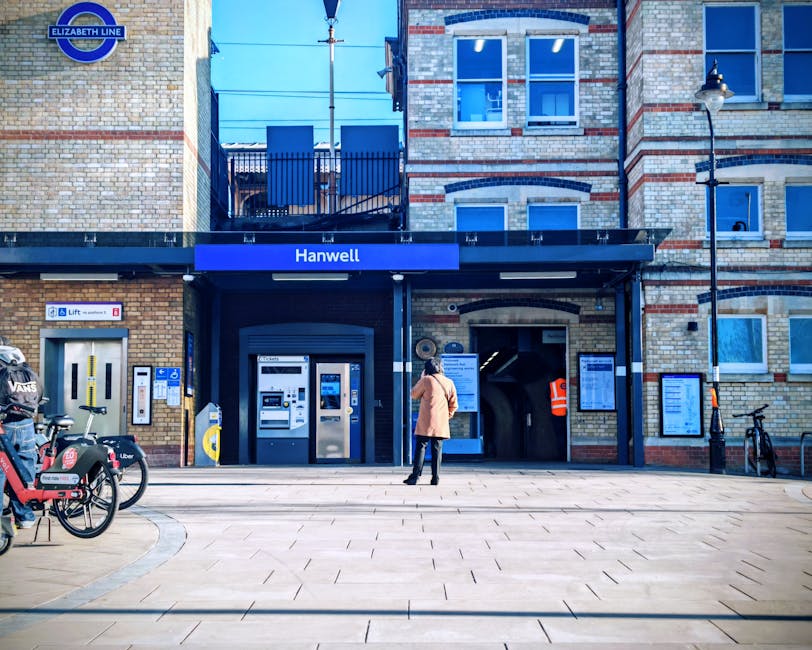
If you are planning a move around Hammersmith Broadway, the biggest challenge is often not the lifting itself - it is the access. Busy roads, tight turnings, station traffic, bus lanes, loading restrictions, pedestrians, and awkward building entrances can all slow a removal van right down. This Hammersmith Broadway access guide for removals and vans brings the practical detail together so you can plan a calmer, cleaner move and avoid the common little disasters that make moving day feel ten times harder than it should.
Whether you are moving a flat, a house, an office, a student room, or just collecting a large item, getting the access right makes a real difference. You will find step-by-step advice below on timing, vehicle choice, loading points, building access, and the usual mistakes people make near a busy London hub. In our experience, a few minutes of planning here saves a surprising amount of stress later. Let's face it, nobody wants to be double-parked in the wrong place with a sofa halfway out of the van.
Expert summary: the safest approach around Hammersmith Broadway is to treat access as part of the move itself, not an afterthought. Check the size of your van, plan the route, allow for loading time, and be ready for sudden delays from traffic or footfall. If you do that, the whole job usually feels much more manageable.
Why Hammersmith Broadway access matters
Hammersmith Broadway is one of those places where everything feels close together and busy at the same time. That sounds convenient, and often it is, but for removals and vans it creates a few headaches. You have constant foot traffic, buses, taxis, roadworks at times, and buildings that may have narrow entrances, awkward corners, or shared access with other businesses and residents. A van that is perfectly fine in an open suburban street can become a bit of a nuisance here if the planning is off.
Access matters because it affects more than parking. It influences the route your team can take, how long loading will take, whether a van can stop safely, and whether items need to be carried further than expected. If you are moving from a flat above a shop, for example, a short lift journey and a modest loading bay can make the move straightforward. If the entrance is on a side road with limited stopping space, the same move suddenly needs better timing and more hands.
It also matters for neighbours and passers-by. A removal should not block pavements or leave furniture exposed in the rain while everyone is waiting for a space. The better the access plan, the smoother the move and the less likely you are to upset people nearby. That sounds basic, but it is exactly where many moves go sideways.
How Hammersmith Broadway access guide for removals and vans works
This guide works by breaking the move into practical layers: vehicle access, building access, timing, and load management. First, think about the van itself. A small van is easier to position, but it may need more trips. A larger vehicle may reduce journeys but can be harder to stop safely in a busy area. There is no perfect answer for every move; it depends on what you are moving and how much space you have to work with.
Next, look at the building. Is there a lift? Is there a loading bay? Are there steps at the entrance? Can a van park directly outside, or will the crew need to wheel items some distance? These questions sound simple, but they determine the whole rhythm of the day. A removal that looks easy on paper can become slower if access is not checked early.
Then there is timing. Around Hammersmith Broadway, a small difference in arrival time can change everything. Peak traffic, commuter rushes, bus movements, and general weekday congestion can all affect where a van can stop and how long it can stay there. A move that starts early and avoids the busiest period usually gives you a much better chance of staying on schedule.
Finally, there is the actual loading process. Safe loading is not just about squeezing items in. It is about sequencing. Heavy pieces first, fragile items protected, boxes stacked in a stable way, and a clear path in and out of the property. If you are using a service such as man and van or a larger removal van, the right loading order can save both time and damage.
Key benefits and practical advantages
Good access planning is not glamorous, but it pays off immediately. You spend less time waiting for a space, less time carrying things through awkward routes, and less energy worrying about whether the van is in the right place. Honestly, that last point is huge. Peace of mind counts for a lot on moving day.
Here are the biggest practical advantages:
- Less delay: fewer wasted minutes circling the block or moving items twice.
- Lower damage risk: shorter carries and better positioning usually mean fewer knocks and scrapes.
- Less disruption: neighbours, businesses, and pedestrians are less affected when the plan is tidy.
- Better budgeting: moves that run smoothly often cost less in labour time, especially if you are hiring professional help.
- More control: you can make decisions calmly rather than reacting to problems in the middle of the job.
For local home moves, access planning often pairs well with services like home moves and house removals. If you are moving a flat near the Broadway, the benefit is even more noticeable because stairs, lifts, and tight communal spaces can add friction very quickly. In those cases, it can be worth looking at flat removals so the move is matched to the layout, not the other way around.
There is another benefit people overlook: access planning makes the move feel more professional. That can matter if you are relocating an office, a workspace, or valuable furniture. A tidy arrival, a clear unloading area, and a sensible route all send the right signal. Not fancy. Just competent. And that is what most people actually want.
Who this guide is for and when it makes sense
This guide is for anyone moving in or around Hammersmith Broadway who needs to think about van access, loading, unloading, or stopping space. That includes homeowners, tenants, landlords, students, business owners, and anyone moving single items or full loads.
It makes the most sense if:
- you are moving from a flat, maisonette, or upper-floor property;
- your building has limited parking or no dedicated loading area;
- you are relocating an office or shop unit near a busy road;
- you need a same-day collection or delivery;
- you are moving something large such as a sofa, wardrobe, piano, or office desk;
- you are trying to keep disruption to a minimum for neighbours or customers.
Students often benefit from this kind of guidance too, especially if they are moving on a tight timetable and using a small van. In that situation, a service like student removals can be helpful because the process is usually simpler and quicker than a full house move, but access still needs to be thought through properly.
If the move is business-related, access planning becomes even more important. A commercial relocation near Hammersmith Broadway may involve deliveries, staff movement, customer access, and time pressure all at once. That is where office removals or commercial moves can make the logistics feel less messy.
Step-by-step guidance
If you want a simple way to handle access near Hammersmith Broadway, use this order. It is practical, and it avoids a lot of the usual guesswork.
- Assess the pickup and drop-off points. Check where the van can safely stop, whether there is a loading area, and how far items need to be carried.
- Measure the important items. Large wardrobes, tables, headboards, pianos, and white goods deserve proper measurement. You do not want a surprise on the pavement.
- Match the van to the job. A man with a van setup may suit lighter loads, while bigger jobs may need a moving truck or a larger vehicle arrangement.
- Check building access in advance. Ask about lifts, stairs, keypad entry, concierge rules, access hours, and any protection required for floors or walls.
- Choose the right time slot. Early starts can be easier near the Broadway. Midday may also work better than peak commuter periods, depending on the exact location.
- Prepare the route inside the property. Clear hallways, remove trip hazards, and keep doors open where possible so the team can move safely.
- Pack for loading, not just storage. Use strong boxes, label fragile items, and group items by room so unloading is faster later.
- Confirm details before arrival. A quick call or message helps avoid confusion about the entrance, floor number, parking point, or any last-minute change.
If you are unsure about the best setup, a general moving service can help you choose the right approach. The page for removal services is a useful place to understand the broader options before you book anything.
Expert tips for better results
Here are the small things that make a big difference. They are not dramatic, but they work.
- Arrive with a buffer. Traffic around a major interchange can change quickly. A 10-minute cushion often saves the whole schedule.
- Protect the route as well as the furniture. Floor runners, blankets, and door protection are just as important as bubble wrap. No one wants scuffed paint or muddy footprints.
- Keep the van load tidy. Stack heavier items low and secure everything so nothing shifts during short urban journeys.
- Use a spotter if access is tight. One person guiding the driver while another handles the load can prevent awkward manoeuvres.
- Ask about waiting time up front. If access is uncertain, it is better to know the process before the day starts.
- Be realistic about lift use. Some lifts are small, slow, or restricted. A plan that relies on a lift alone can become frustrating very quickly.
To be fair, one of the best tips is also the least exciting: keep communication simple. A short, clear message about the entrance, parking point, and floor number beats a long thread of half-confirmed details. That is especially true for a busy area like Hammersmith Broadway.
If you are moving furniture on its own, it can also help to use a dedicated collection or disposal service such as furniture removals or furniture pick up. These are often the easiest fit when the item count is low but the access is awkward.
Common mistakes to avoid
Most access problems are avoidable. They tend to happen when people underestimate the area or assume "the van will just fit somewhere". Around Hammersmith Broadway, that kind of optimism can disappear fast.
Common mistakes include:
- Not checking parking or stopping options. This is the big one. A van cannot unload safely if the stopping point is unsuitable.
- Choosing the wrong vehicle size. Too small means extra trips; too large means awkward manoeuvres or unnecessary risk.
- Ignoring the building layout. Lifts, stairs, shared foyers, and narrow corridors all affect the time required.
- Packing too late. Last-minute packing usually leads to weak boxes, bad labels, and disorganised loading.
- Forgetting time-of-day pressure. A route that looks fine at 10 a.m. may be a headache at rush hour.
- Leaving bulky items until the end. If the largest item is tackled last, the whole van load can be thrown off.
There is also a quieter mistake: failing to think about what happens after the move. If you need to store items temporarily, a storage option can prevent overcrowding at the new place and make the access problem less intense. In some moves, storage is the missing piece that keeps everything manageable.
And one more thing. People sometimes focus so hard on the van that they forget the final ten metres. The doorway, the step, the tight bend, the lift landing - that is where damage and delays often happen. Funny, really. The last few steps can be the trickiest.
Tools, resources and recommendations
You do not need a bag full of specialist gear, but a few practical items will make life easier.
- Measuring tape: useful for doors, corridors, and large furniture pieces.
- Protective blankets and straps: essential for keeping furniture stable and protected.
- Labels and marker pens: help sort boxes by room so unloading is quicker.
- Phone photos: take a few pictures of the access route, entrance, and loading point before the move.
- Floor and door protection: especially useful in shared buildings or newly decorated homes.
- Simple inventory list: helps you track what needs to be loaded first and what can wait.
On the service side, a good fit depends on the scale of the move. If you need a straightforward local job, the man and van option is often the most flexible. For larger or more structured moves, pages such as removals, removal van, and removal truck hire may be more appropriate depending on how much needs to move.
If packing is the part you dread - and a lot of people do - consider whether professional help with boxes and wrapping would save you time. Packing and boxes and packing and unpacking services can take a lot of the pressure off, especially when the move window is tight.
Law, compliance, standards and best practice
For a move in a busy London location, compliance is mostly about behaving safely, respecting access, and following the rules that apply to the property and the road. You do not need to turn the whole thing into a legal seminar, but you do need to be careful.
Best practice usually includes checking local parking restrictions, avoiding blocked pavements, and making sure the vehicle is loaded securely. If you are managing an office or commercial premises, it is also sensible to consider building rules, fire exits, and any requirements from a landlord or managing agent. In shared properties, giving advance notice is often the courteous and practical thing to do.
Insurance and safety matter too. If a mover is handling heavy or awkward items, you want to know that proper care is being taken with lifting, wrapping, and transport. A trustworthy provider should be able to explain its approach to safety clearly. The pages on health and safety policy and insurance and safety are useful places to understand that side of the service before you book.
There is also a fairness and responsibility angle. If furniture is no longer needed, think about reuse or responsible disposal rather than just dumping it somewhere. A move is a good time to be a bit more thoughtful. The page on recycling and sustainability is relevant if you are trying to keep the move sensible and less wasteful.
For businesses, it may also be worth reviewing service terms, payment details, and how any issues are handled. That is not glamorous, but it is proper due diligence. The pages for terms and conditions, payment and security, and complaints procedure can help set expectations clearly. Slightly dull reading perhaps, but very useful when you need it.
Options and comparison table
Choosing the right moving option near Hammersmith Broadway usually comes down to the size of the load, the level of access, and how much help you want on the day. Here is a simple comparison to make the decision easier.
| Option | Best for | Access advantage | Trade-off |
|---|---|---|---|
| Man and van | Small to medium moves, quick collections, flexible local jobs | Easier to stop and manoeuvre in tighter streets | May need more trips for larger loads |
| Removal van | Standard household moves and bulkier items | Good balance between capacity and city access | Requires better parking and route planning |
| Moving truck | Larger removals or heavier volume | Useful when one trip is preferable | Harder to position in busy access points |
| Removal services | Moves where you want a more complete handover | Professional planning usually reduces access mistakes | Less DIY flexibility, but usually less stress |
If you are torn between a few options, ask yourself one simple question: what is the real bottleneck - the volume of the move, or the access? If it is access, a smaller and more agile vehicle may be the smarter choice even if it means an extra journey. If it is volume, capacity may matter more than convenience.
For larger homes, a structured service like house removalists can be a better fit. For people who need everything done in one sweep, same day removals may also be worth considering, provided the access situation is straightforward enough to support it.
Case study or real-world example
A fairly typical Hammersmith Broadway move might look like this. A tenant in a second-floor flat needs to move to another part of West London. The building has a narrow entrance, shared stairwell access, and no dedicated driveway. On paper, nothing dramatic. In practice, the hardest part is finding a safe stop for the van without blocking the flow of traffic.
The move becomes much easier once the access details are checked properly. The team arrives a little earlier than the busiest window, parks where unloading is safest, and uses a smaller vehicle rather than forcing a larger one into a tight spot. Fragile items are packed first, bulky furniture is routed through the staircase carefully, and the load is organised so that the biggest pieces come out in the right order at the destination.
The result? Less waiting, less backtracking, and fewer awkward moments in the road. The customer is not standing there wondering where the van has gone. The move just flows. Nothing magical. Just good planning and a bit of local awareness.
That kind of example is also why nearby moves often benefit from a practical service setup rather than a purely DIY approach. A small difference in vehicle choice or arrival time can be the difference between a smooth day and one that feels oddly exhausting by lunchtime.
Practical checklist
Use this checklist the day before and again on the morning of the move. It is simple, but it catches the usual problems.
- Confirm the pickup and drop-off addresses.
- Check where the van can legally and safely stop.
- Measure large furniture and doorways.
- Confirm lift access, stair access, or any building restrictions.
- Pack fragile items securely and label boxes clearly.
- Keep hallways, entrances, and stairwells clear.
- Protect floors, walls, and door frames where needed.
- Prepare keys, codes, and contact details.
- Decide who will guide the van if the space is tight.
- Have a backup plan if access changes at short notice.
Useful reminder: if you are still unsure about the right vehicle size or the best type of move, it is better to ask early than to guess and hope for the best. Hope is lovely. Not always a strategy.
Conclusion
Hammersmith Broadway access can look straightforward at first glance, but removals and van jobs in this part of London work best when the route, parking, building entry, and timing are all planned with care. That is the real secret. Not fancy equipment. Not overcomplicated systems. Just a sensible understanding of how busy city access actually behaves.
If you remember only one thing from this guide, make it this: the move starts before the van arrives. Once you think through access early, you protect the furniture, reduce delays, and make the whole day feel less like a scramble. That is worth a lot when the road is busy and the kettle is still packed in a box somewhere.
For a smoother next step, review the move type that fits your load, check the practical details, and make sure the access plan is matched to the property rather than guessed on the day.
Get a free quote today and see how much you can save.
Frequently Asked Questions
What is the main access challenge for removals near Hammersmith Broadway?
The main challenge is usually stopping or parking safely in a very busy area while keeping the move legal, efficient, and out of everyone's way. Traffic, bus movement, and footfall all play a part.
Should I use a small van or a larger removal vehicle?
It depends on the load and the access. A smaller van is often easier to position in tight spaces, while a larger vehicle can reduce trips if there is enough room to unload safely.
How early should I plan access for a move?
Ideally, as soon as you know the moving date. Even a quick check of the entrance, parking point, and building rules can prevent last-minute problems.
Is Hammersmith Broadway suitable for same-day removals?
It can be, but only if the move is well organised and the access is straightforward. If parking or building entry is uncertain, same-day timing becomes riskier.
What should I do if my building has no lift?
Tell the movers in advance, clear the staircase, and allow extra time. A no-lift move is manageable, but it usually needs a bit more planning and care.
Can I move a sofa or large item from a busy roadside location?
Yes, but it helps to have a proper stop point and a clear route from the property to the van. For one-off items, a furniture collection or removal service is often the easiest route.
What if I am moving from a flat near the Broadway?
Flat moves often involve stairs, shared entrances, and tighter turnaround times. Planning matters more than usual, so a service geared toward flat removals can be a strong fit.
Do I need to think about storage during a move?
If the new place is not ready, or if you are reducing what you take immediately, storage can make the move much easier. It removes pressure and gives you more flexibility.
How can I reduce damage during loading and unloading?
Use protective wrapping, secure the load properly, clear the path, and avoid rushing through narrow areas. Damage often happens in the last few metres, so that section deserves attention.
What if access changes on the day?
Stay in contact with the mover, keep a backup plan, and be ready to adjust the stop point or route. In London, small changes happen. Staying calm helps more than people expect.
Are office moves around Hammersmith Broadway different from home moves?
Yes. Office moves often have stricter timing, more equipment, and extra pressure to avoid disruption. They benefit from a more structured commercial approach and clear access planning.
Where can I get help choosing the right moving setup?
Start with the type of move you are doing, then match it to the right service page and vehicle size. If you want a straightforward local option, the moving pages on the site can help you compare what fits best.
Move well, plan early, and keep it simple where you can. That usually goes a long way.